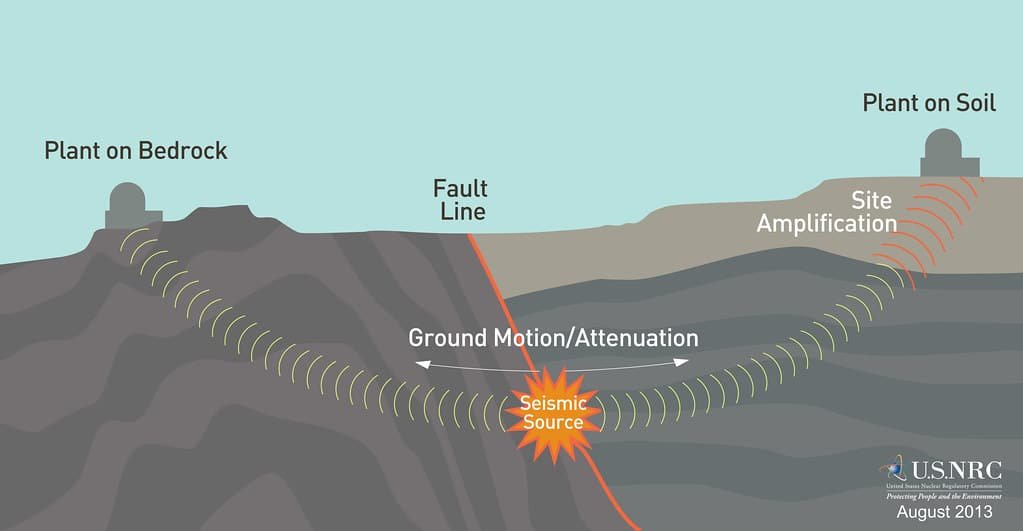

An earthquake is a natural disaster that occurs when the Earth’s crust experiences a sudden release of energy. This energy is mostly caused by the movement of tectonic plates that form the Earth’s surface, but earthquakes can also result from volcanic activity or certain human-induced activities. Earthquakes can range from small tremors that are barely noticeable to large, destructive events that cause widespread damage and loss of life.
Earthquakes can have devastating effects on buildings and other structures, ranging from minor wall cracks to the complete collapse of buildings. The extent of damage depends on the intensity of ground motion, the type of building construction, and other site-specific factors. For this reason, building codes and earthquake engineering practices are developed to minimize the impact of earthquakes on buildings and infrastructure. These codes and practices include seismic design principles, specialized construction techniques, and the use of seismic hazard maps, which indicate the likelihood and intensity of earthquakes in different regions. Therefore, the following measures should be implemented in Kurdistan to reduce potential damage during earthquakes.
First, as practiced in many developed countries, engineers should be formally evaluated and licensed in the fields of design and construction after graduation before being allowed to practice professionally.
Second, a unified building and seismic code for Kurdistan should be developed as soon as possible, using established international codes as references. The use of well-known standards such as the European (Eurocode) system is not a problem. The real issue arises when designers apply foreign codes without proper local oversight, making it difficult for government authorities to effectively review designs and identify potential errors. It is unrealistic to expect engineers, particularly those working in public agencies, to be fully familiar with the codes of multiple countries. A nationally adopted code that everyone follows would ensure consistency, accountability, and effective supervision, while international codes could still be referenced for specific or specialized applications.
Third, another recommended measure, which is not very expensive, is installing structural monitoring sensors, particularly in tall buildings. These may include displacement, acceleration, or strain sensors, which allow engineers to assess building performance after an earthquake. Since all buildings experience some movement during seismic events, monitoring data can help determine whether structural behavior remains within code-approved limits. Recent earthquakes, such as those affecting high-rise buildings in Turkey, highlight the importance of post-event structural assessment.
Fourth, no construction project should be licensed or approved unless it has been reviewed and authorized by the appropriate government supervisory authority. This can be achieved by allocating a fixed percentage of the project budget to government supervision and inspection from the outset. In addition to improving construction quality and compliance, this approach would create job opportunities and strengthen public trust in the safety of buildings.